Powerwall 3 wins if you want one wall unit, Tesla app / Storm Watch, and you will pay installer pricing. 185 LRA is a concrete motor-start number, which most portables do not publish.
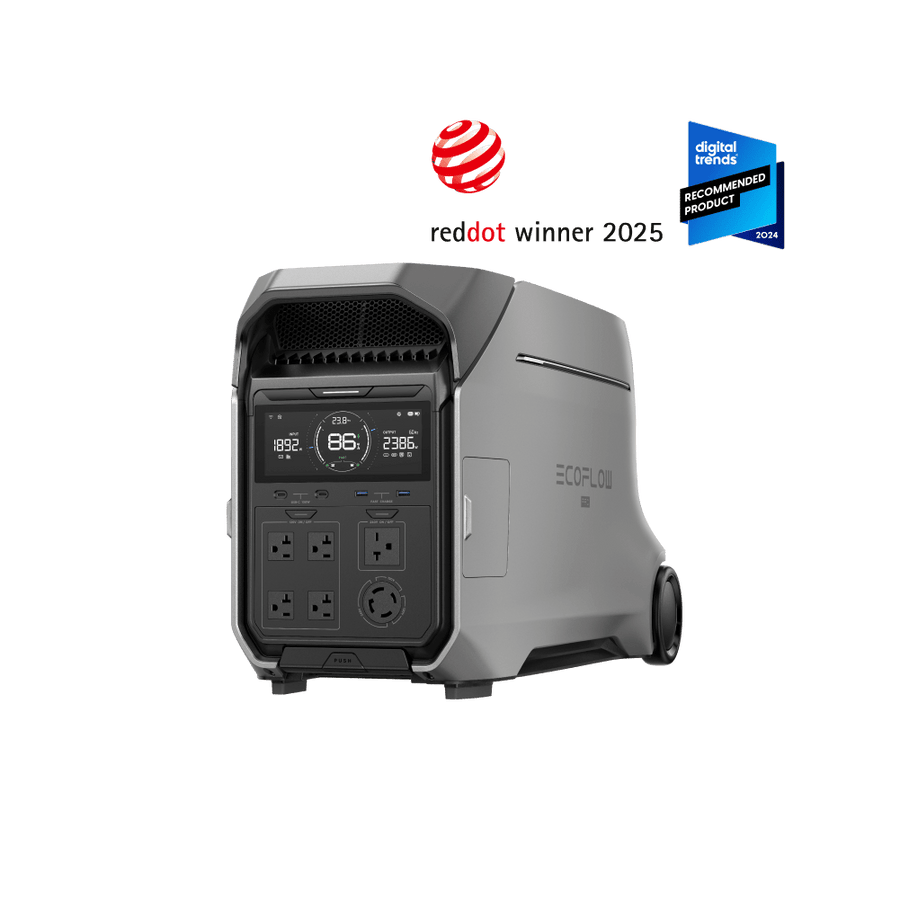
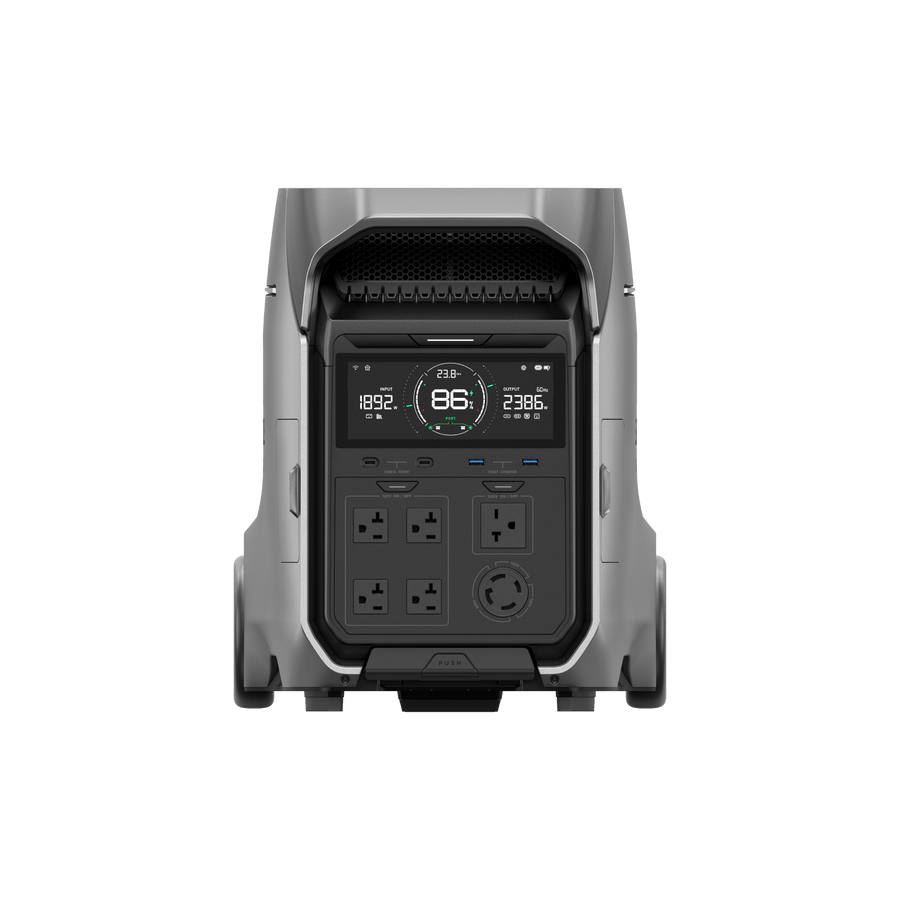
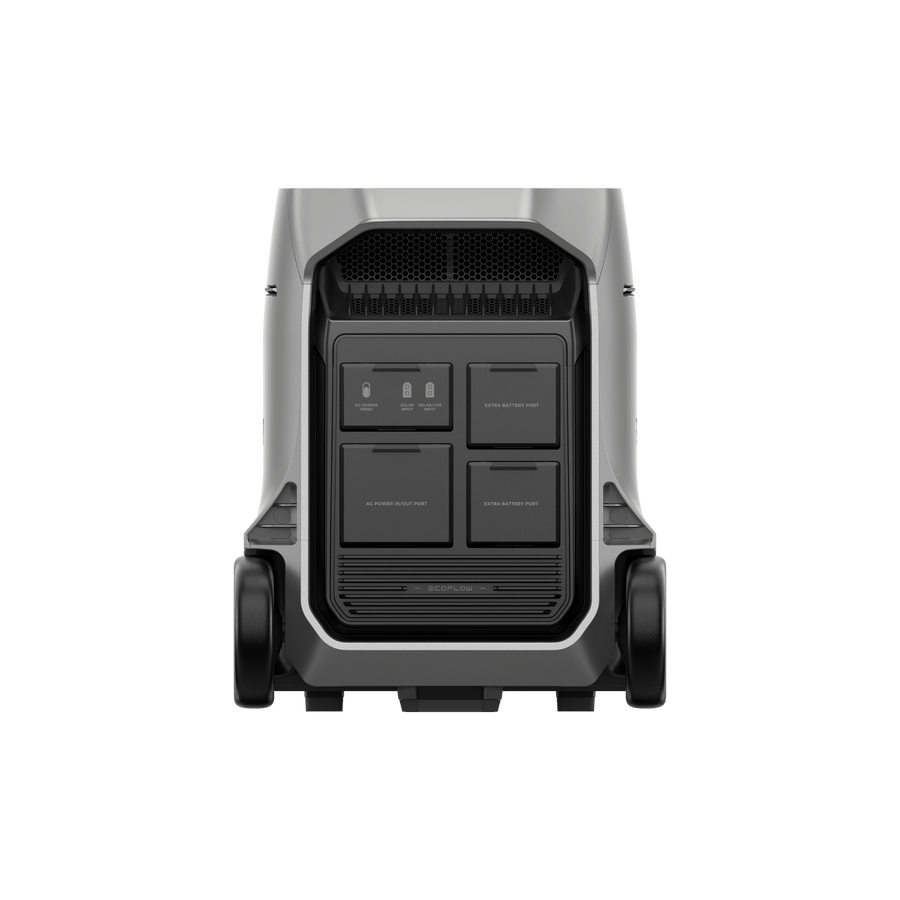
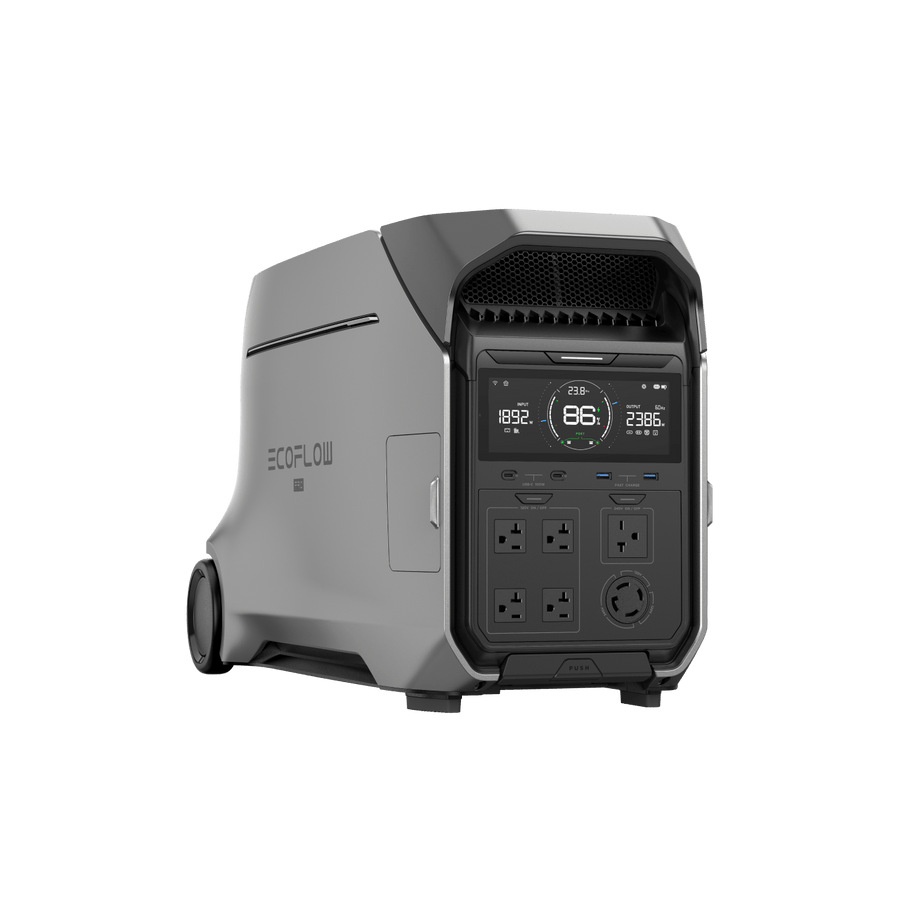
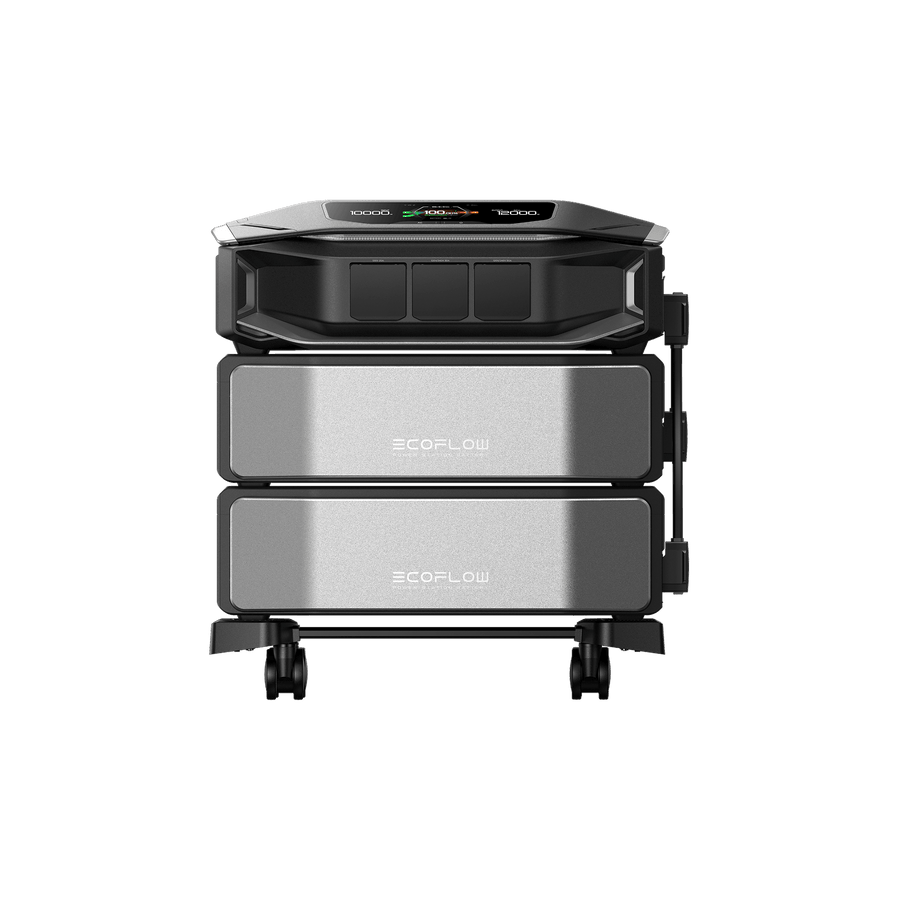
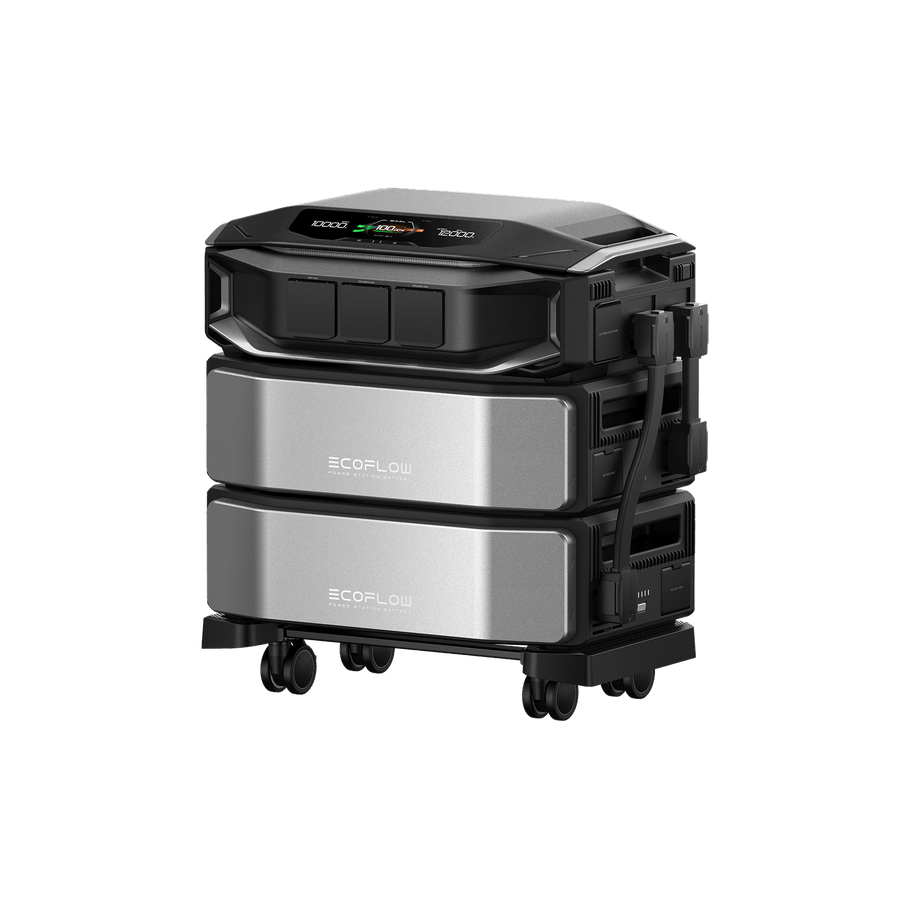
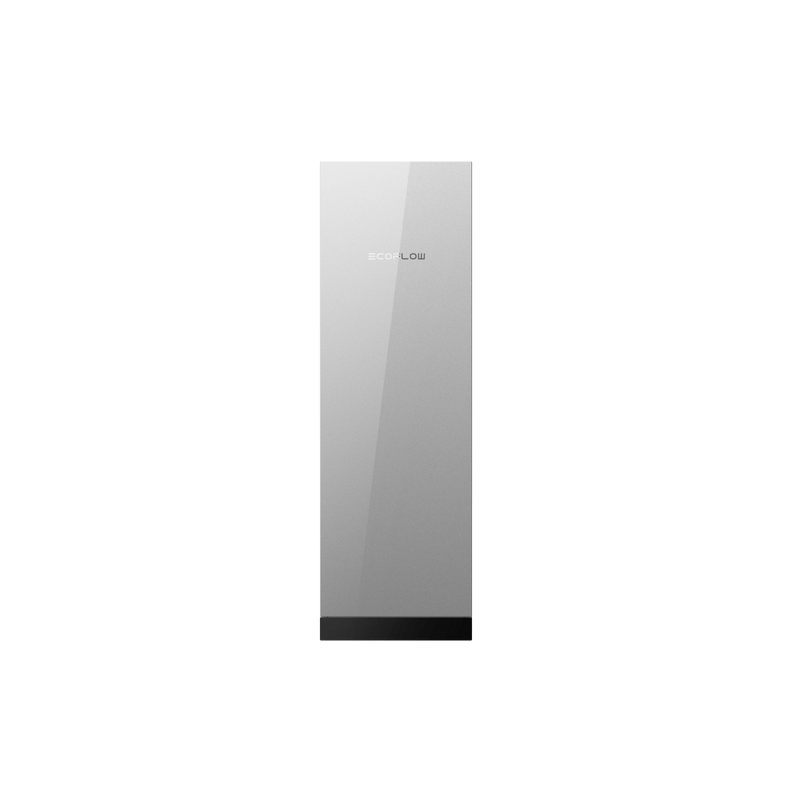
Ultra X wins if you want Powerwall-class watts and you want to order the hardware from EcoFlow, optionally with their install program. Warranty on the current US page is 5 years — shorter than Tesla’s 10. That is a real trade, not a footnote.
OCEAN Pro is not on this table. It is EcoFlow’s certified-installer on-grid system (Get a Quote), compared separately with Powerwall 3 in OCEAN Pro vs Powerwall 3.
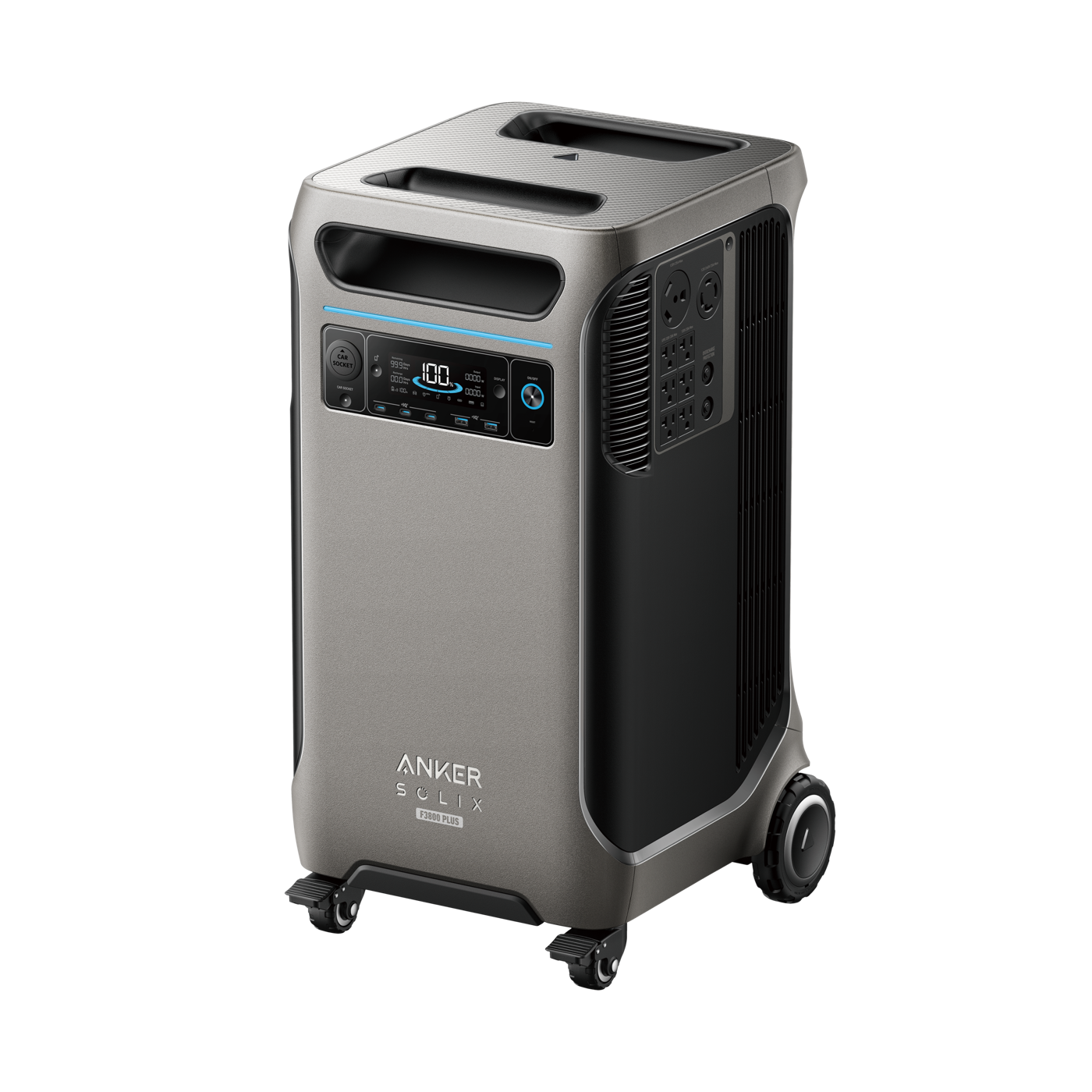
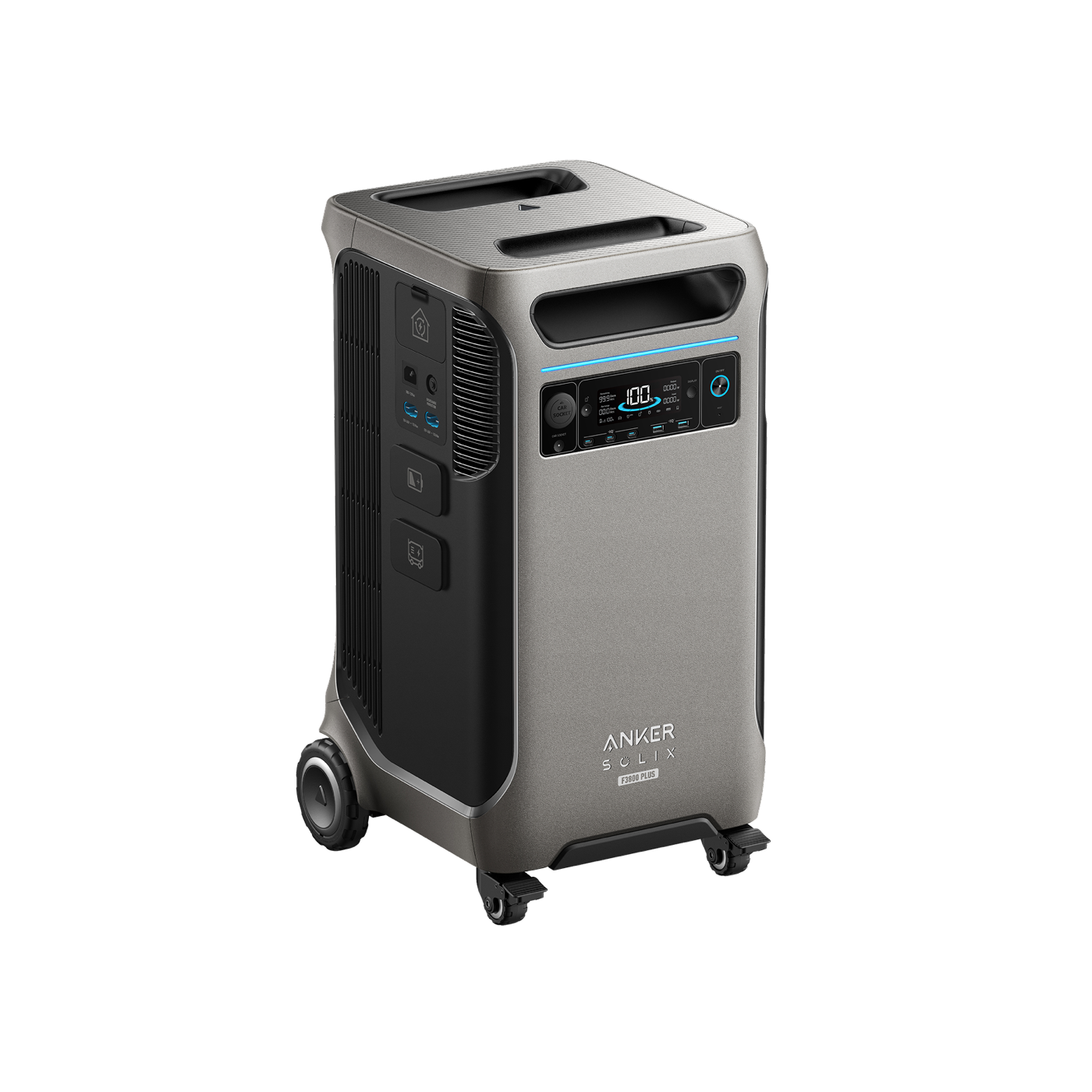
F3800 Plus wins as the first purchase: 6 kW, 240 V, $2,399.99 Halloween sale / $2,999.99 list (checked 26 Oct 2026, sale ends 1 Nov 2026), sit-on-the-floor, returnable. Energy runs out fast (3.84 kWh is about 2–3 hours at 1.5 kW).
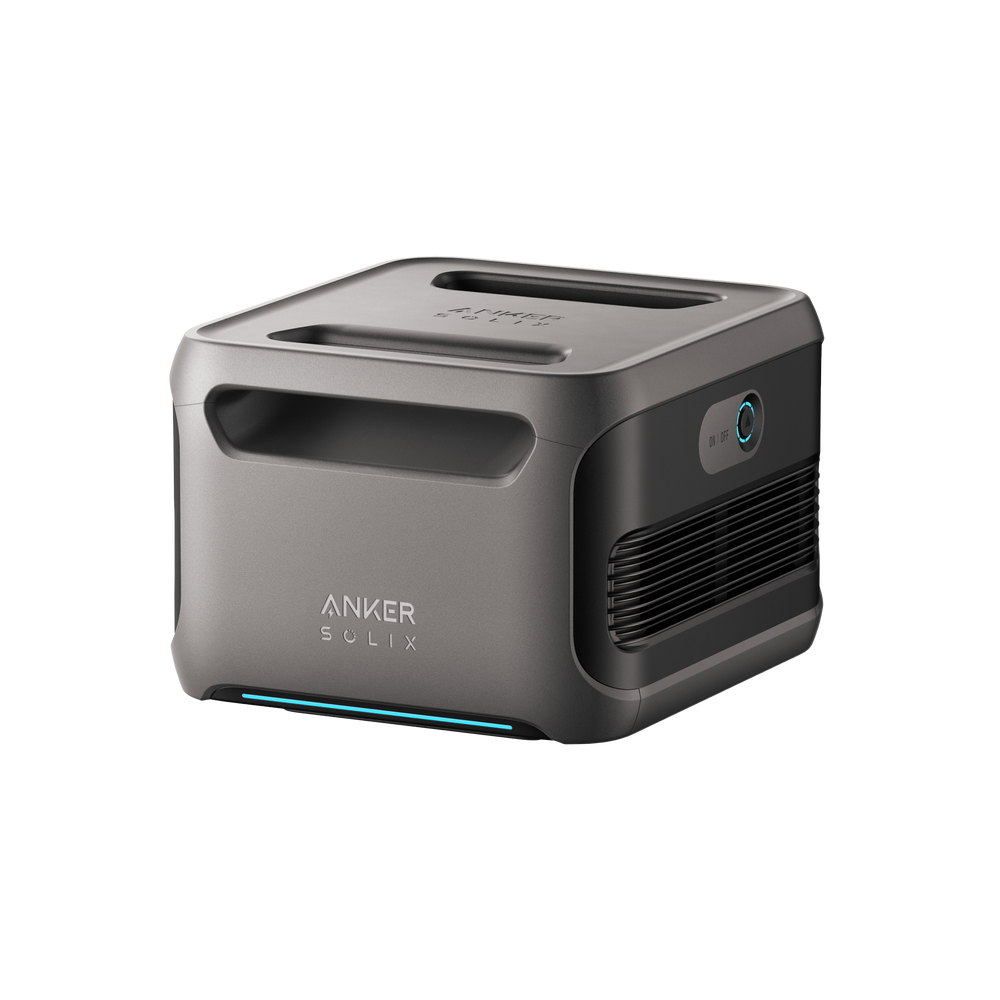
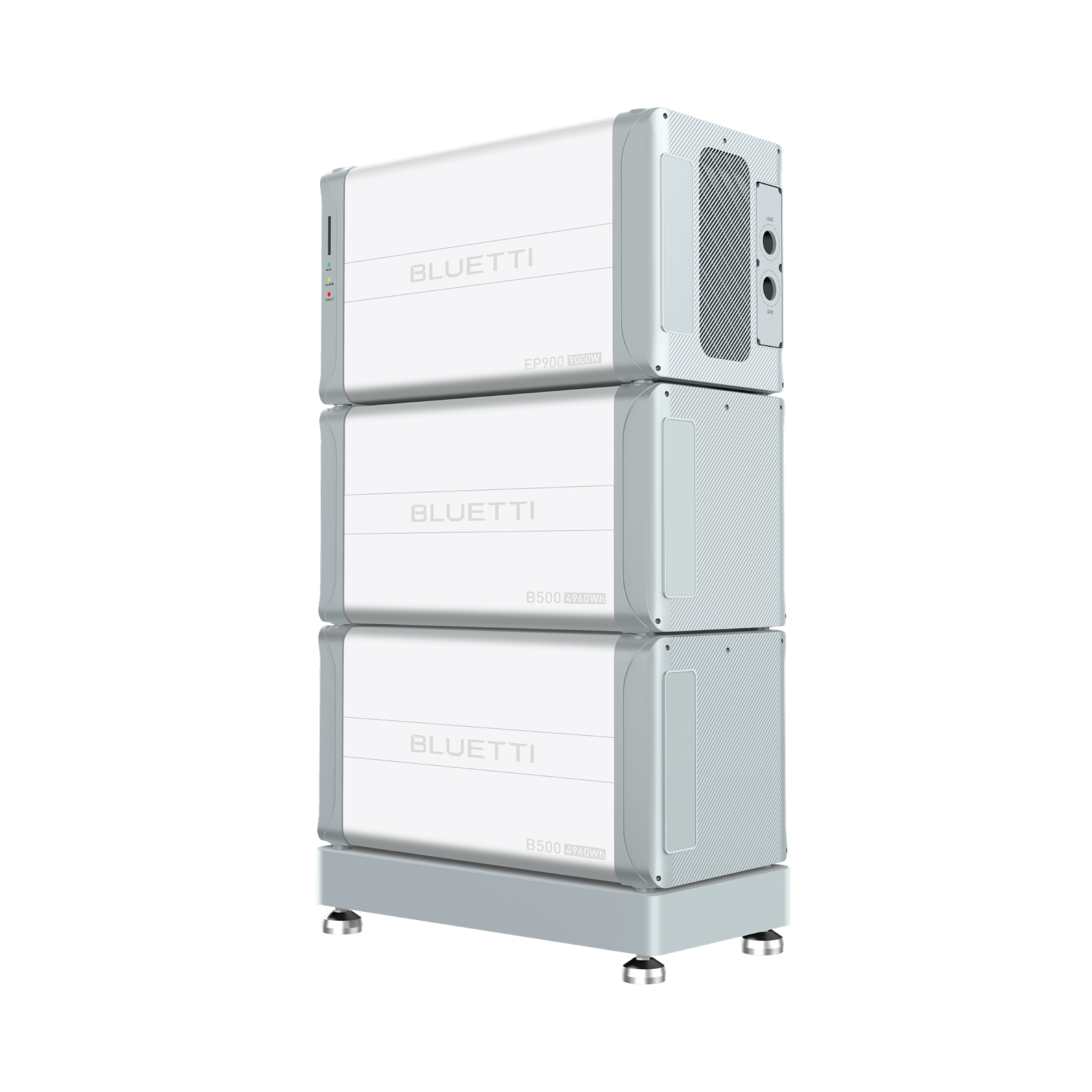
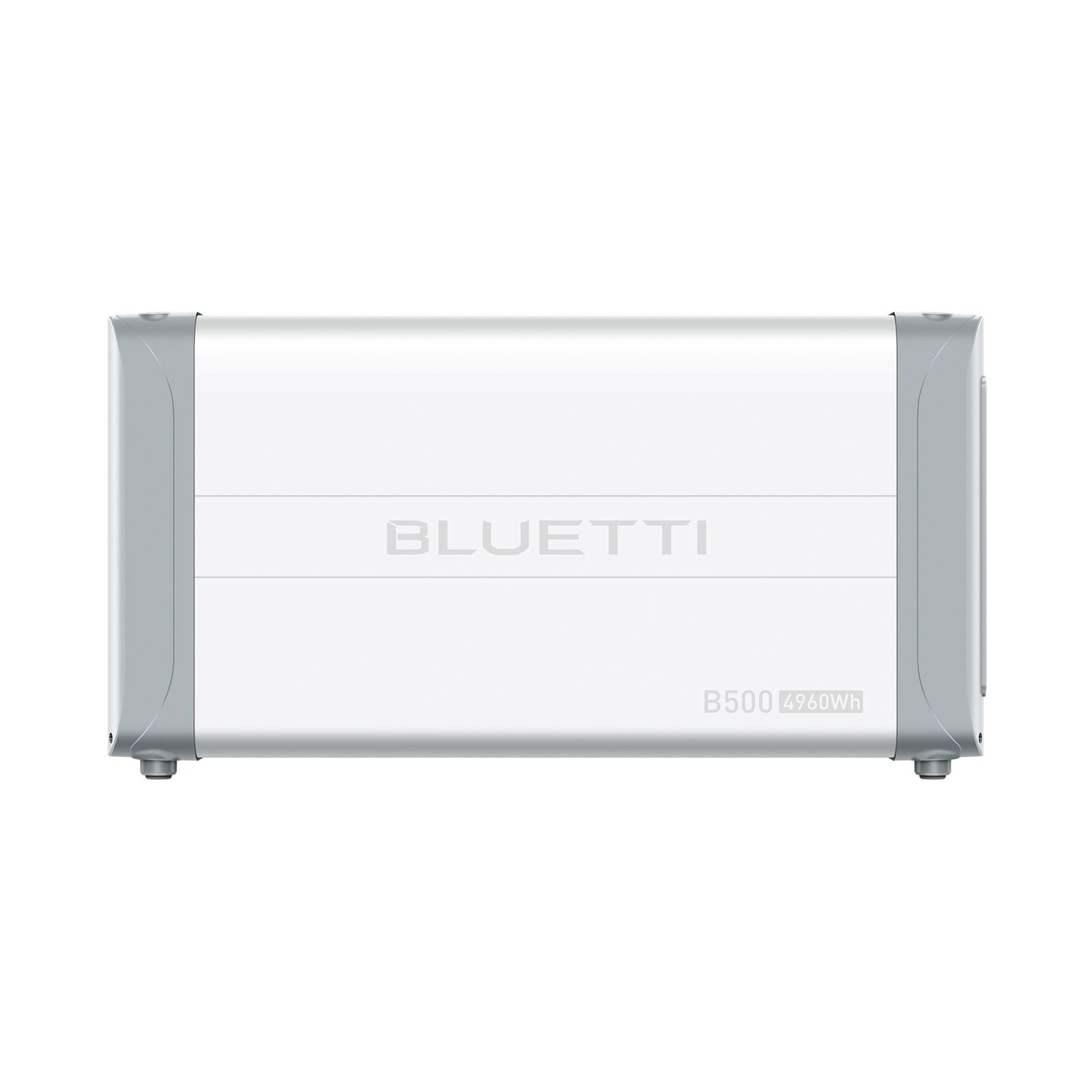
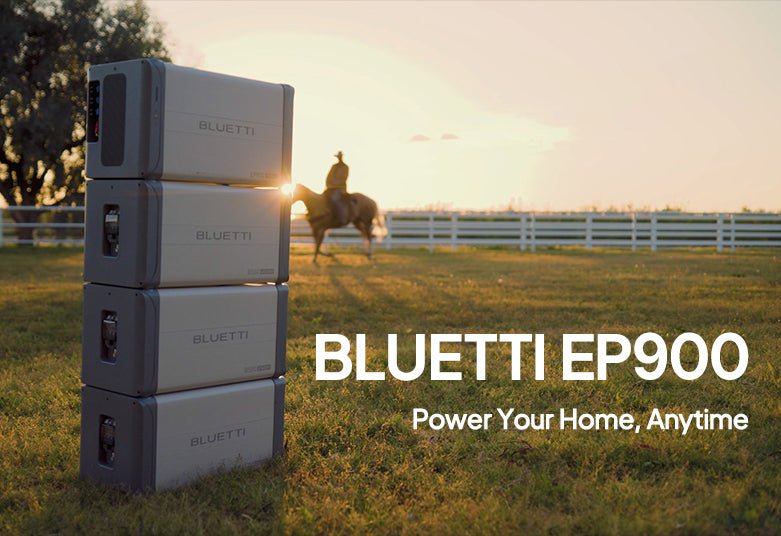
EP900 wins when 9 kW continuous matters more than polish — wells, shops, frequent cycling — and you will stack B500s.
If you will buy this month
Start with the cart product that matches watts, then add batteries. Do not start with Tesla if you need hardware in the garage next week.