Independent research, updated October 4, 2026. Some product links are affiliate. No test lab. How we work

Home / Guides / Connect a portable

How-to · not a substitute for a licensed electrician

How to connect a portable power station to home circuits

A box on the garage floor is only a backup if the loads you care about can reach it. There are three honest methods. One of them is illegal.

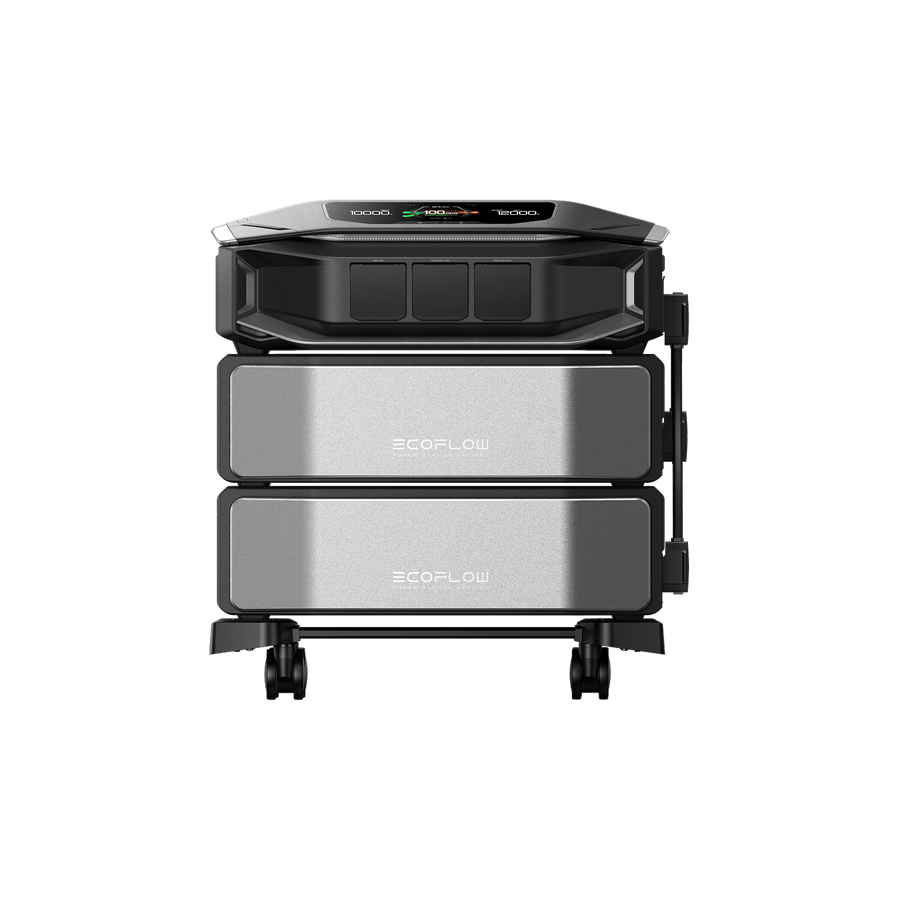
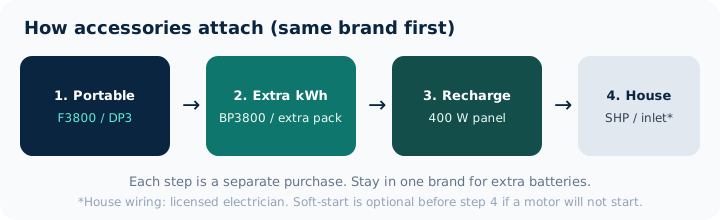
Diagram of portable, extra battery, then house connection
  1. Decide cords vs selected circuits vs automatic house Fridge, CPAP, and a router can live on extension cords rated for the load. That is a real backup. Selected house circuits need an inlet and transfer method. Automatic whole-home is a different product (Ultra X + SHP3, Powerwall, or EP900 + a panel).
  2. Never backfeed a dryer or range outlet A suicide cord that feeds the panel through a dryer plug can energize utility lines. Do not do it. If a seller demonstrates that method, close the tab.
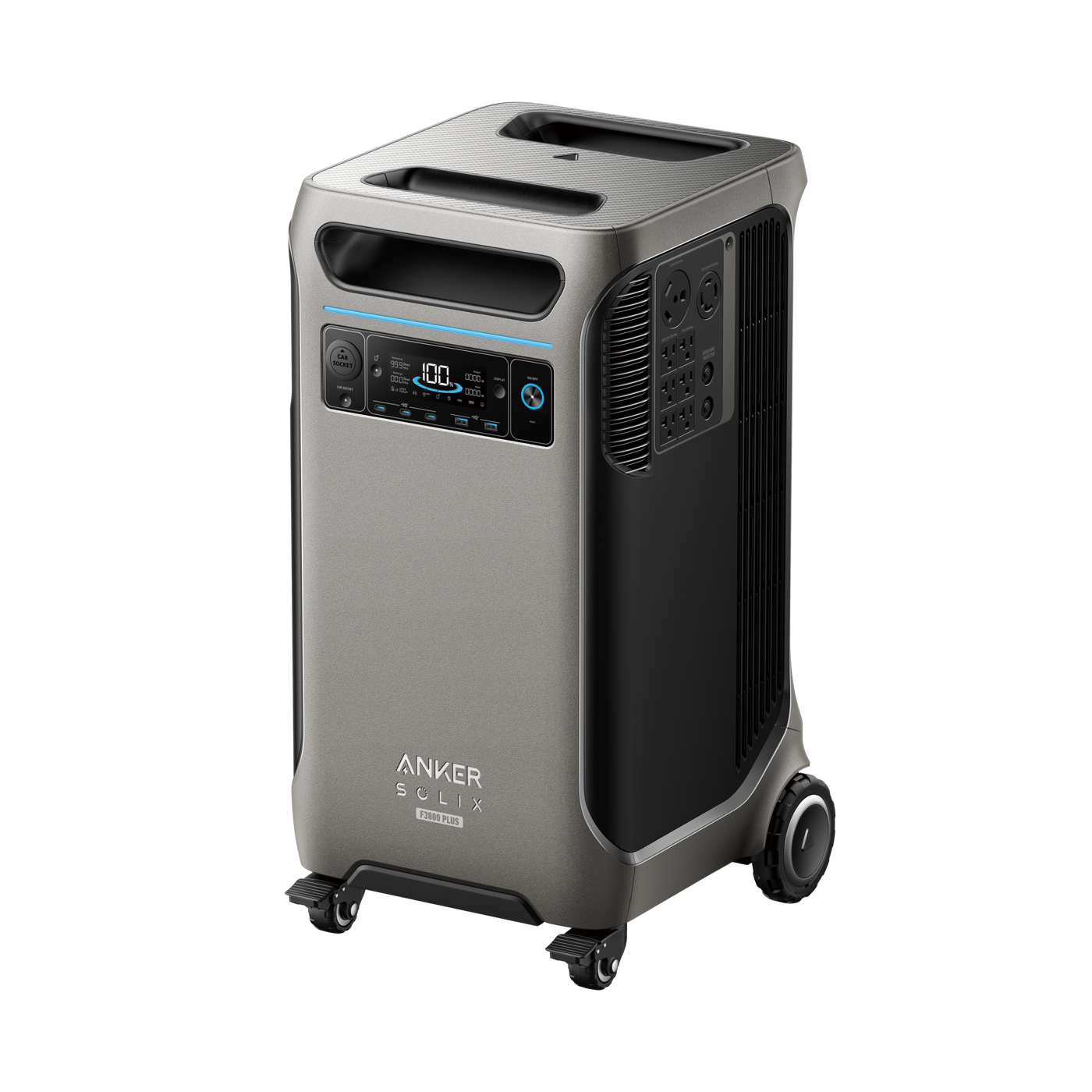
  3. Pick the hookup that matches the battery you already own EcoFlow lists a home backup transfer-switch kit at $399 for portables in that family, and Smart Home Panel 3 at $3,299 for Ultra X. Anker documents a 10-circuit manual transfer kit, inlet box, and Home Power Panel on the F3800 Plus page. Generic 30 A inlets and panel-specific interlocks live on Amazon — match your panel, not a photo.
  4. Hire the electrician before you buy a second battery Inlet, interlock, and transfer-switch work is a permit job in most cities. Budget labor. A $399 kit plus a $400 visit is still cheaper than guessing.
  5. Test on a planned afternoon, not during landfall Flip the interlock, start the battery, walk every kept circuit. Note what you forgot (furnace control, well pressure switch, garage opener). Then write the order on the checklist.
What this page will not do

We will not publish a wiring diagram for your specific panel. Panel type, bonding, and local code vary. The product links below are categories and brand kits, not a promise they fit your enclosure.

Must-run loads before kits

Write the circuits you will keep first. The hookup method follows that list — not the other way around. Kits below only matter after you know fridge, medical, heat control, water, and networking are covered.

LoadTypical pathWhy it decides the kit
Refrigerator / freezerHeavy-gauge cord, or a kept circuitFood loss in 1–2 days if doors open — high value, modest average watts
CPAPCord to the bedsideFirst-night medical; humidifier adds Wh — CPAP + fridge
Router / ONT / phonesCord or a kept circuitTiny Wh, high value for alerts and family
Furnace control / blower (gas)Usually a kept 120 V circuitPipe-freeze risk; control + blower is not a heat-pump compressor
Sump pumpKept circuit (often 120 V)Start surge on each cycle; energy is usually small
Well pump (if present)Often 240 V + LRA gateFails closed on surge before Wh — well pump

Match path to the list:

  • Cords — fridge, CPAP, router, and a few 120 V plugs. Real backup. No panel work.
  • Inlet + interlock — selected house circuits through a listed inlet; electrician and permit in most cities. Generic 30 A gear must match your panel. Full guide: inlet box & generator interlock.
  • Transfer kit / Smart Home Panel — brand 6–32 circuit paths (EcoFlow $399-class kit or SHP3; Anker transfer / inlet / Home Power Panel on the F3800 Plus). Still not a wiring diagram for your enclosure.

For a cold 2-day must-run worksheet, see ice-storm 2-day backup. Tick boxes on the checklist.

Decision gate

Must-run → surge → outage length → hookup path

  1. Must-run loads — write the circuits above first (fridge, medical, heat control, water, networking).
  2. 240 V / surge honesty — well pumps and compressors fail on LRA before Wh. See well pump.
  3. Outage length — usable kWh for ~4 h vs 2–4 days. See generator vs battery vs hybrid and ice-storm 2-day.
  4. Hookup path — cords vs inlet/interlock vs automatic panel (below).
PathPick whenNext read
Cords Fridge, CPAP, router, a few 120 V plugs. No panel work. Stay on this page · CPAP + fridge
Inlet + interlock Selected house circuits; manual flip; electrician + permit in most cities. Inlet & interlock guide →
Automatic / brand panel High circuit count or near-seamless transfer (SHP3 + Ultra X, Anker HPP, installer systems). SHP3 notes · kits below

Deep dive on inlet boxes, panel interlocks, AHJ limits, and no-backfeed rules: Generator inlet & interlock guide.

Kits that match the batteries on this site

Portable house hookup · $399

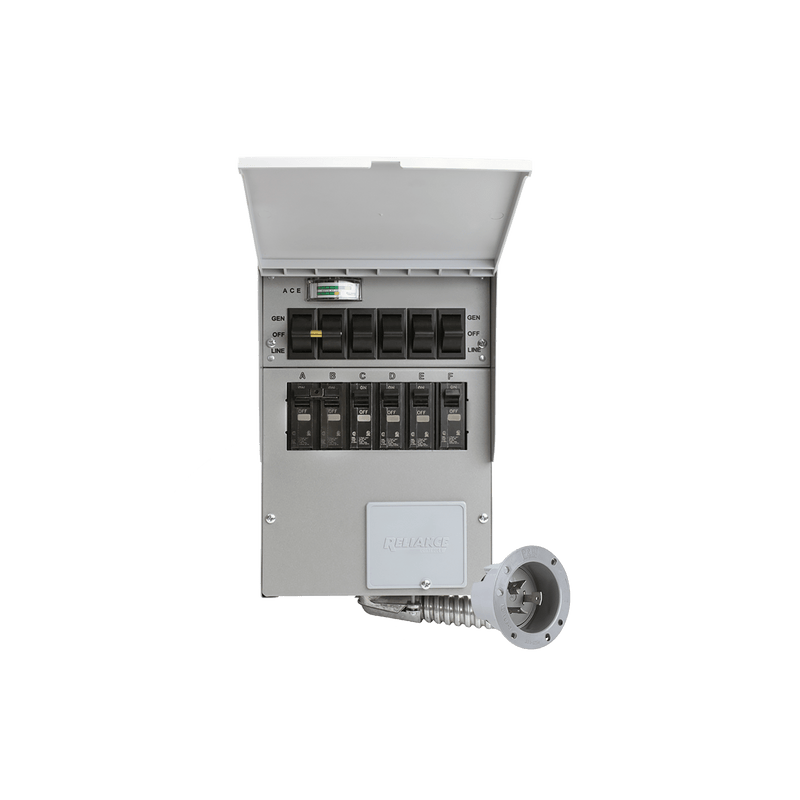
EcoFlow transfer kit

Reliance-style 6-circuit switch EcoFlow sells for DELTA Pro 3 and DELTA 3 Ultra Series. Not SHP3. Electrician required.

Kit
306A1 (EcoFlow US)
Circuits
6
Pairs with
DELTA Pro 3 / DELTA 3 Ultra Series
Listing
cULus 1008
Install
Licensed electrician · indoor panels
Warranty
5 years (page)
Price snapshot
$399
Ultra X automatic house

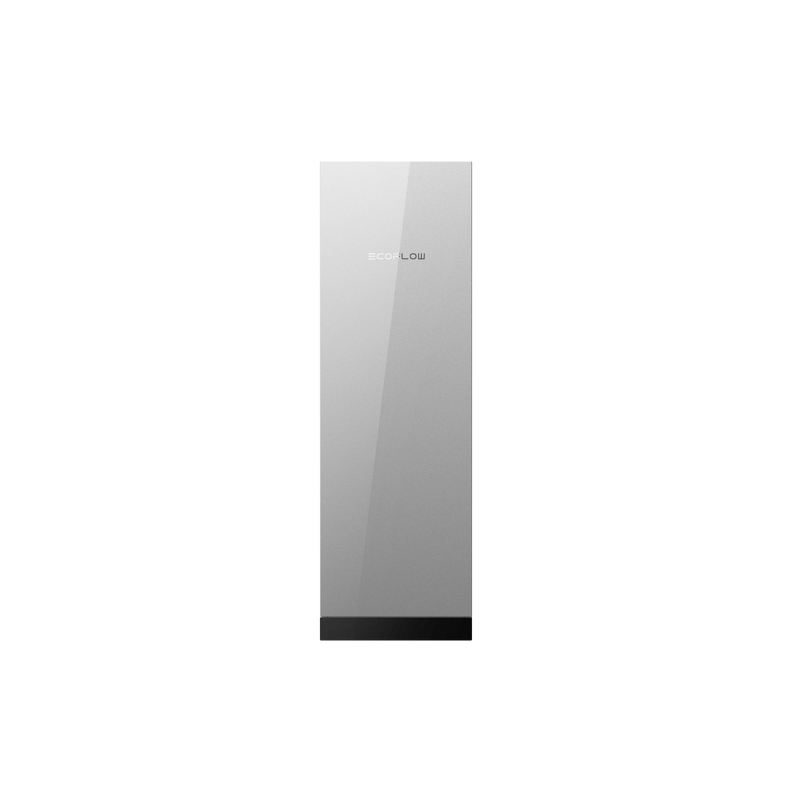
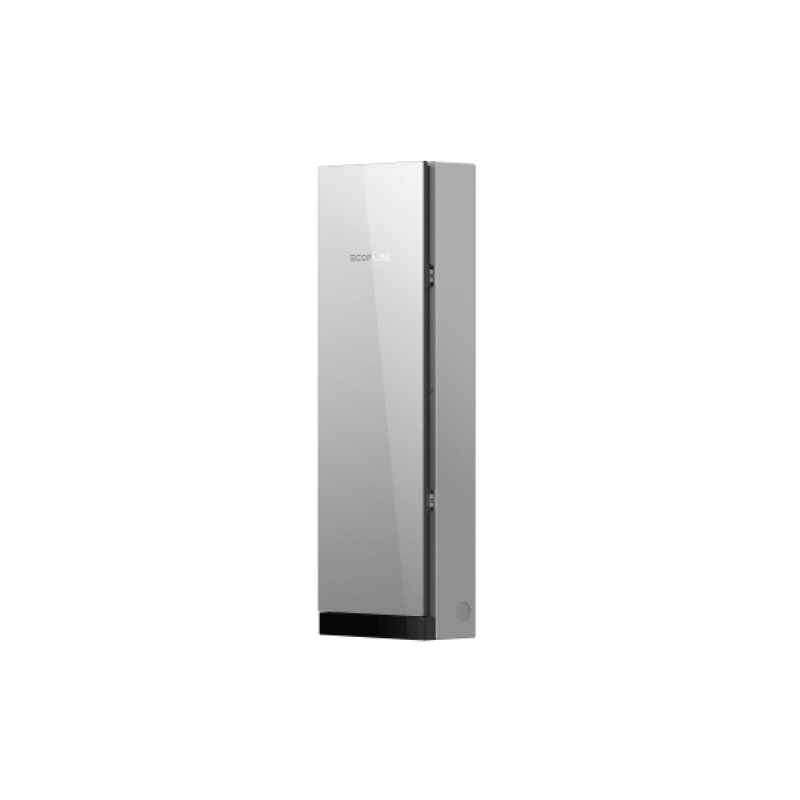
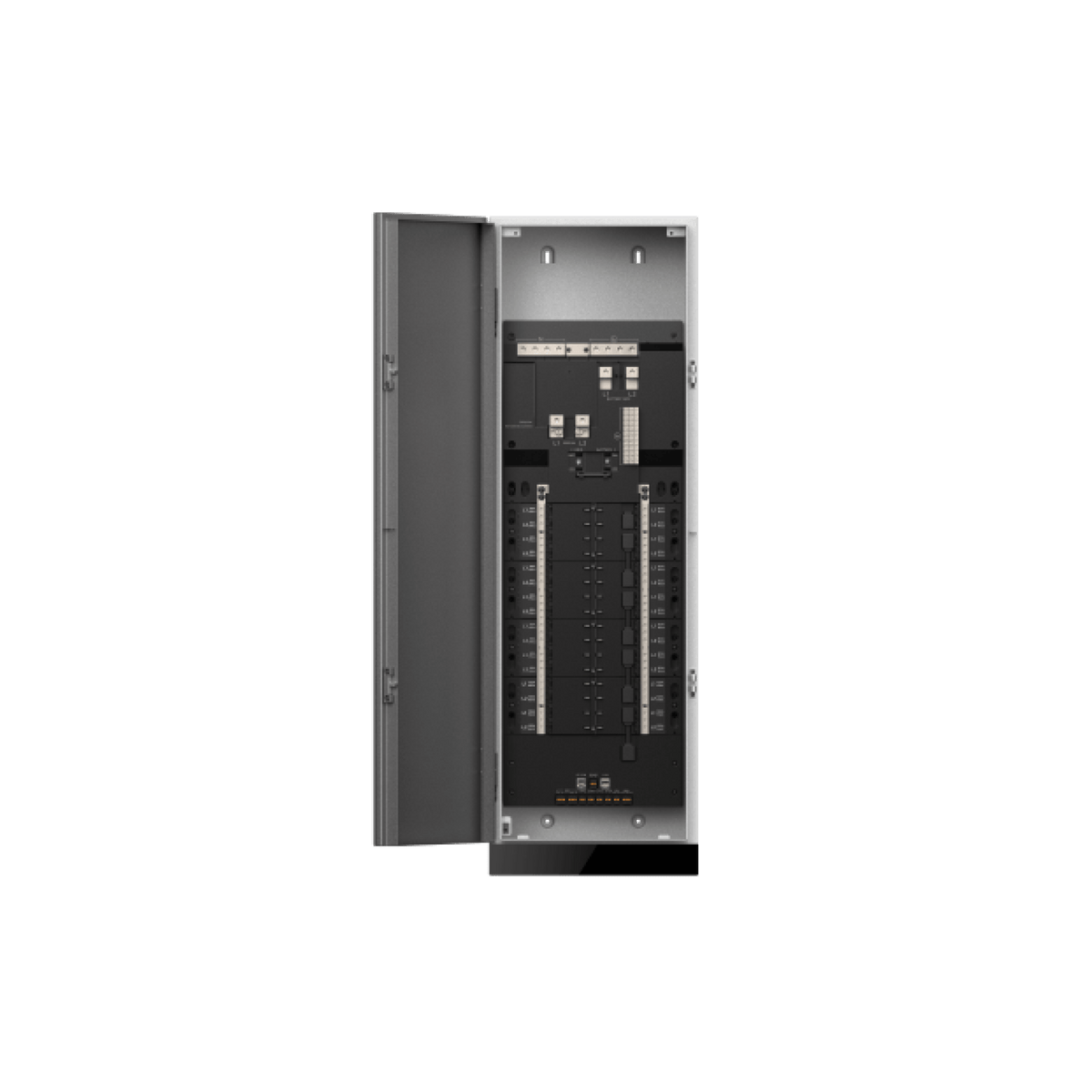
EcoFlow Smart Home Panel 3

32 circuits, 10-year page warranty, NEMA 3R. EcoFlow’s FAQ is explicit: SHP3 does not talk to DELTA Pro 3.

Circuits
32 independently controlled
Transfer
<20 ms with Ultra X
Grid
120/240 V split-phase · 120/208 V
Enclosure
NEMA 3R (indoor/outdoor)
Weight
88.8 lb (EcoFlow)
Compatible
Ultra X — not DELTA Pro 3
Warranty
10 years (EcoFlow page)
Price snapshot
$3,299 · Ultra X + SHP3 $10,999
EcoFlow home backup transfer switch
Manufacturer image
ECOFLOW PORTABLE
Transfer kit · $399

EcoFlow US list. Electrician install. Indoor breaker panels. Not SHP3.

View transfer kit on EcoFlow
EcoFlow Smart Home Panel 3
Manufacturer image
ULTRA X ONLY
Smart Home Panel 3 · $3,299

32 circuits, <20 ms. Pairs with Ultra X, not DELTA 3.

View Smart Home Panel 3 Full SHP3 notes →
Anker F3800 Plus
Manufacturer image
ANKER
F3800 Plus transfer / inlet / HPP

The F3800 Plus page is where Anker documents inlet, transfer, Home Power Panel, and generator bypass. Anker’s F3800 URL opens that page.

View F3800 Plus on Anker
Diagram of portable then house connection
Diagram · not a product photo
GENERIC
30 A inlet · interlock · 10-ga cord

Panel-specific. Search, do not assume one SKU fits.

View inlets on Amazon All house-circuit extras →

If you do not own a host unit yet, pick the battery first. The hookup follows the family.

View F3800 Plus on Anker View DELTA 3 Ultra Plus on EcoFlow View Ultra X on EcoFlow
How-to guides
Find mine Shop-ready