Independent research, updated October 4, 2026. Some product links are affiliate. No test lab. How we work

Battery backup for a CPAP and a refrigerator

The highest-value pair of loads in most houses. You do not need a Powerwall for this. You do need honest watts.

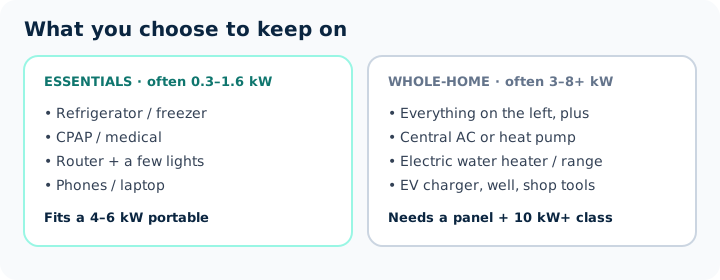
Essentials loads versus whole-home loads

Planning watts (running, typical)

  • Modern CPAP without a heated humidifier: often 30–60 W. Heated hose/humidifier can exceed 100 W. Use your machine’s label.
  • Fridge: nameplate 100–200 W running, but it cycles. A planning average of 150 W is common. Chest freezer similar or lower.
  • Router + ONT: 15–25 W.

Call it 0.25–0.40 kW average for CPAP + fridge + internet if you turn the humidifier down. A 3.84 kWh F3800 Plus at 92% × 95% usable is about 3.36 kWh → ~8–13 hours at that load, more if the fridge is efficient and you keep the door shut. A 12 kWh Ultra X is measured in days at this load.

Use the calculator in appliance mode. Do not trust “runs a CPAP for a week” marketing unless they state humidifier off and the exact Wh. Fridge, CPAP, and internet are also the first night of what dies first in a multi-day outage.

Three gates before you pick a box

Gate 1 — Voltage match

Read the brick, not the box. Many CPAP machines run from an external power supply that turns 120 V AC into DC, often 24 V and sometimes 12 V. The label on that brick, or the nameplate on the machine, gives the input volts, output volts, and watts. Plugging the original brick into the battery’s 120 V AC outlet is the simple path. A DC cable to the battery’s 12 V port is only for an adapter your CPAP maker or supplier lists for your exact model. Do not match a DC cable from a photo. If the label and the port do not agree, stay on AC.

Gate 2 — Surge and start headroom

The CPAP is gentle. The fridge compressor is not. Each start pulls a short surge that can be several times its running watts, so read the fridge nameplate or manual for the real number. The battery’s continuous rating has to cover everything running at once (fridge, CPAP, router), and its surge rating has to cover the fridge starting on top of that. The watts above are planning ranges; your nameplate wins.

Gate 3 — Usable kWh, derated

Rated watt-hours are not usable watt-hours. Inverter losses and the battery’s reserve take a cut. This page plans at 92% × 95%, about 87% of the label, and a cold room or a heated humidifier takes more. Divide the derated kWh by your average kW, not your peak. Run your own loads in the runtime calculator. If night two matters, add the same-brand extra battery before you buy a second box.

Hard fork — continuous high-draw medical equipment

If someone in the house depends on an oxygen concentrator or other life-support equipment that runs continuously, a battery is a bridge, not the whole answer. That equipment can draw far more than a CPAP, and running the battery flat is not an acceptable way for the plan to fail. Talk to your doctor or equipment supplier about backup supply and the batteries the device maker supports. Enroll in your utility’s medical-needs program (often called medical baseline or critical care) before the next outage, and know where you will go if the power stays out. This page covers the CPAP-and-fridge case only.

Essentials box

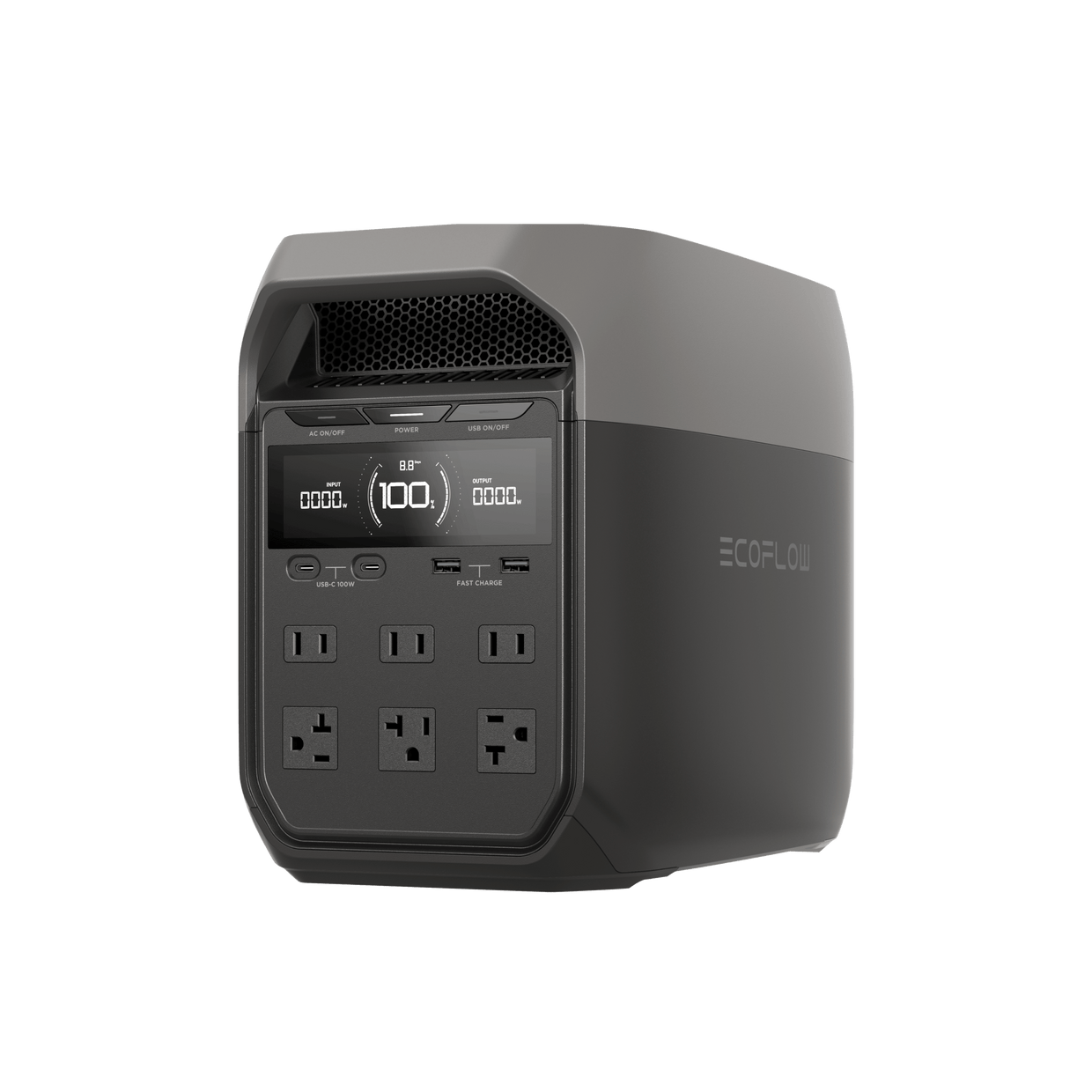
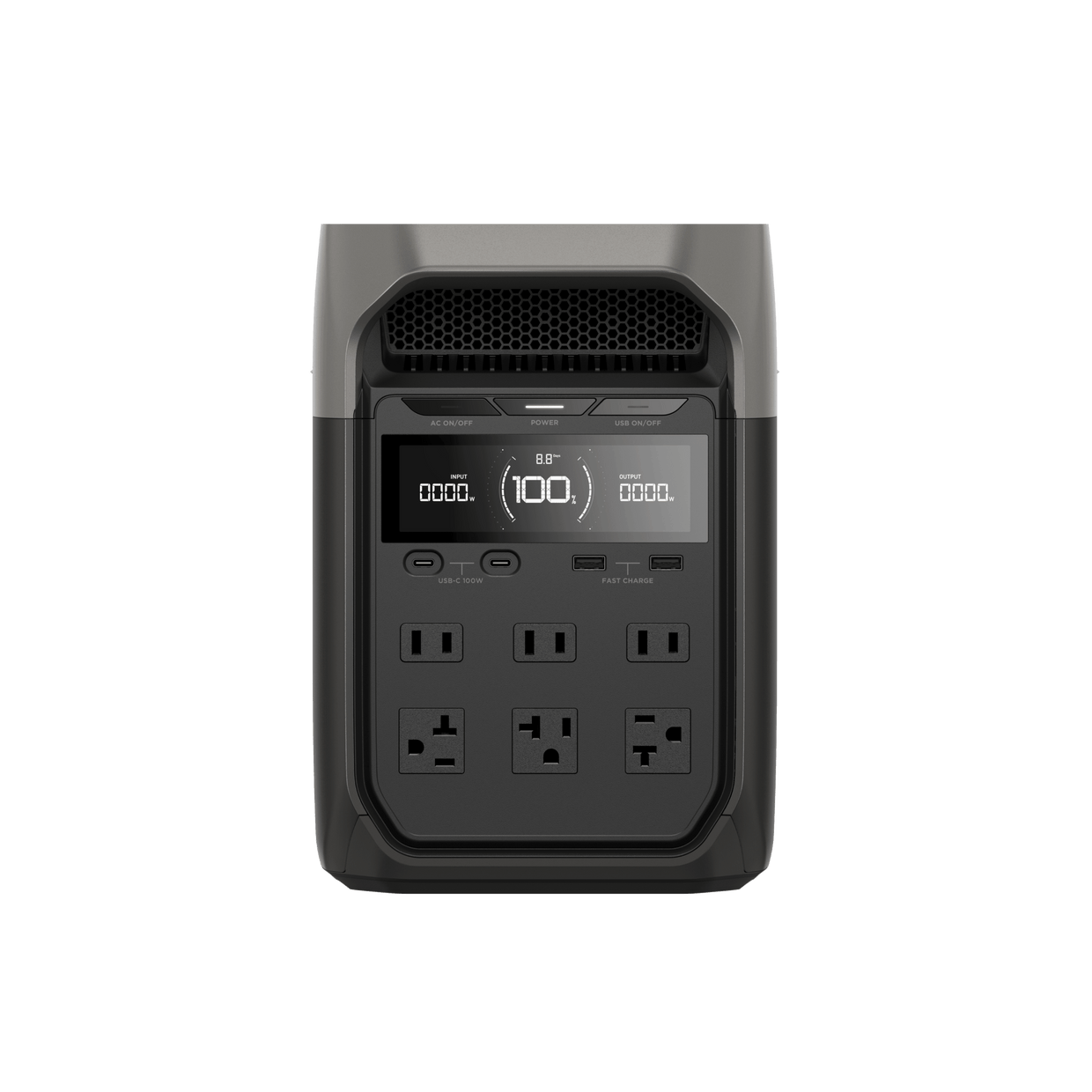
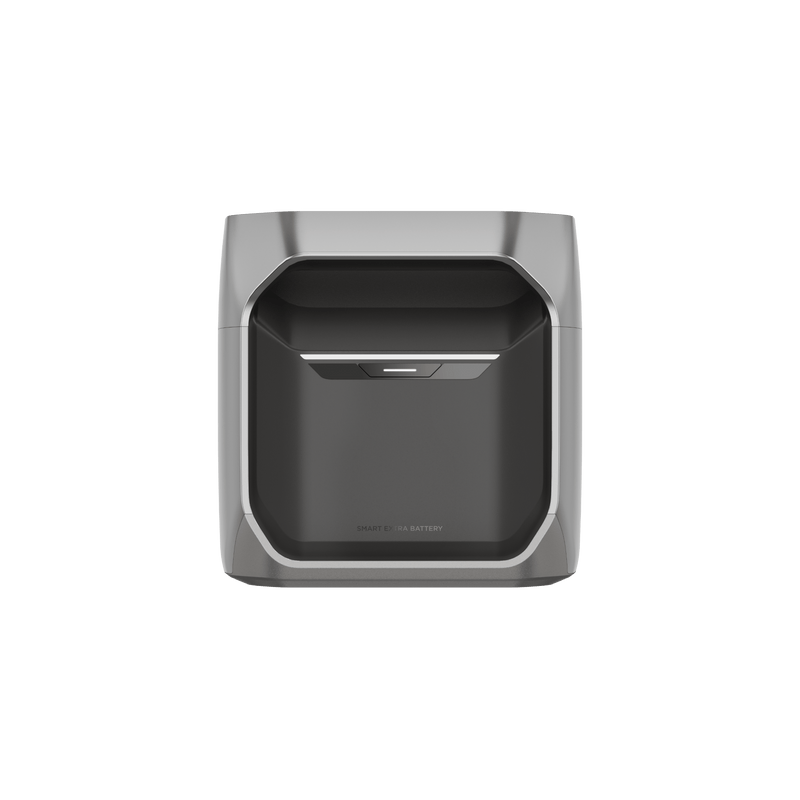
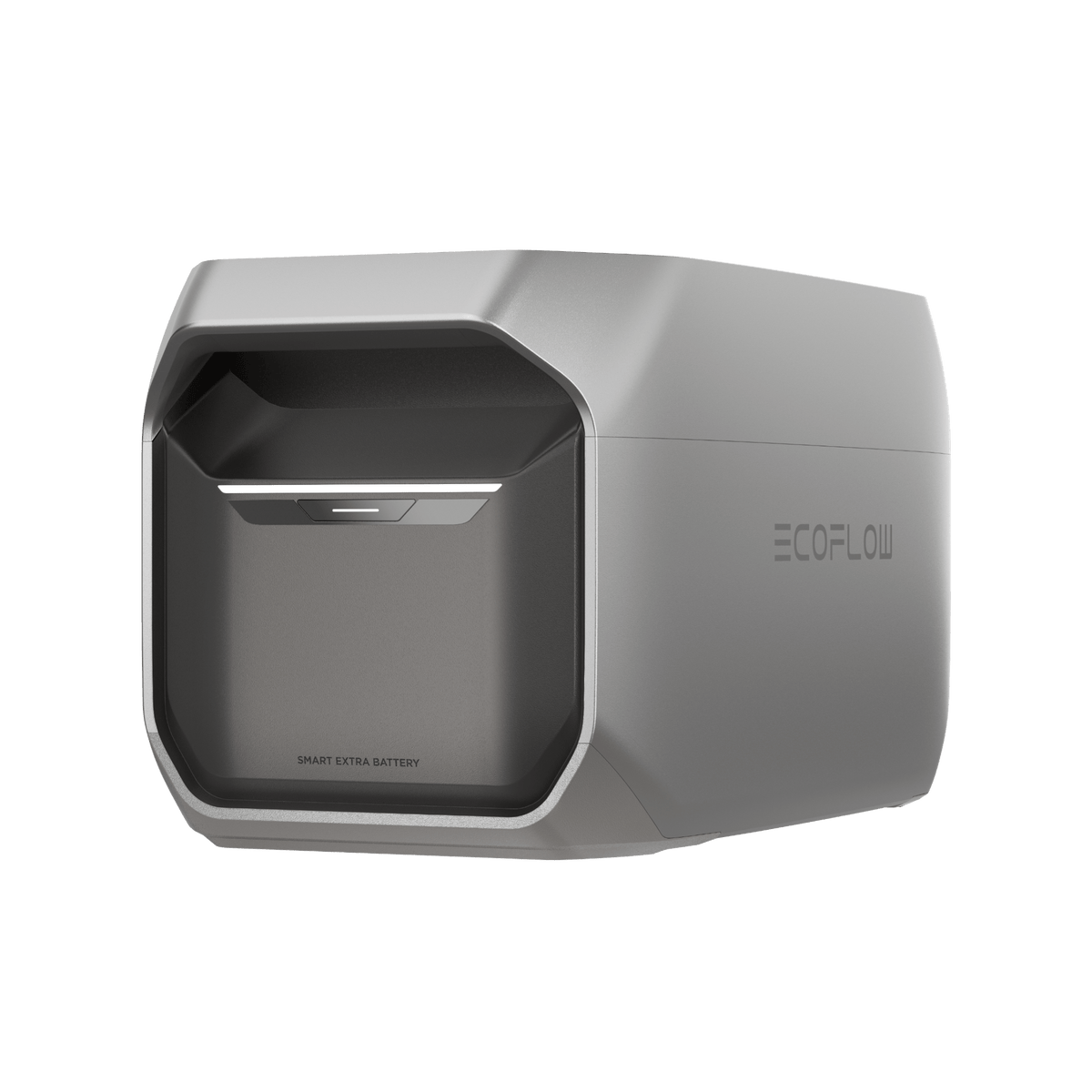
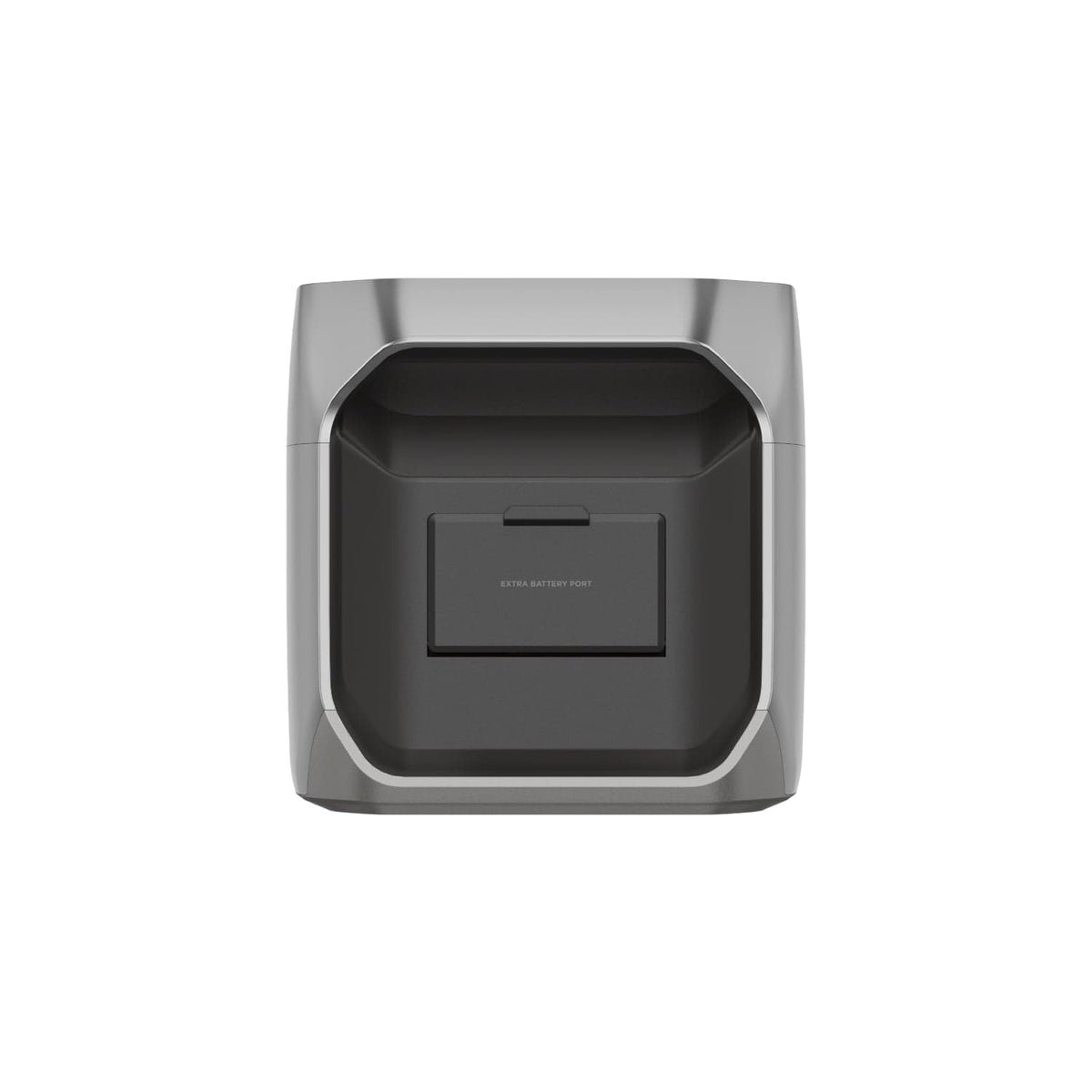
EcoFlow DELTA 3

1 kWh / 1.8 kW. Enough for CPAP + fridge + router if you buy the extra pack for night two.

Energy
1,024 Wh · toward 5 kWh
Output
1,800 W · surge 3,600 W
X-Boost (mfr.)
2,200 W
Solar input
11–60 V · 500 W
Chemistry
LFP
Warranty
5 years (EcoFlow page)
Price snapshot
$629 sale / $699 list (EcoFlow US · checked 19 October 2026)
2 kWh fridge + CPAP

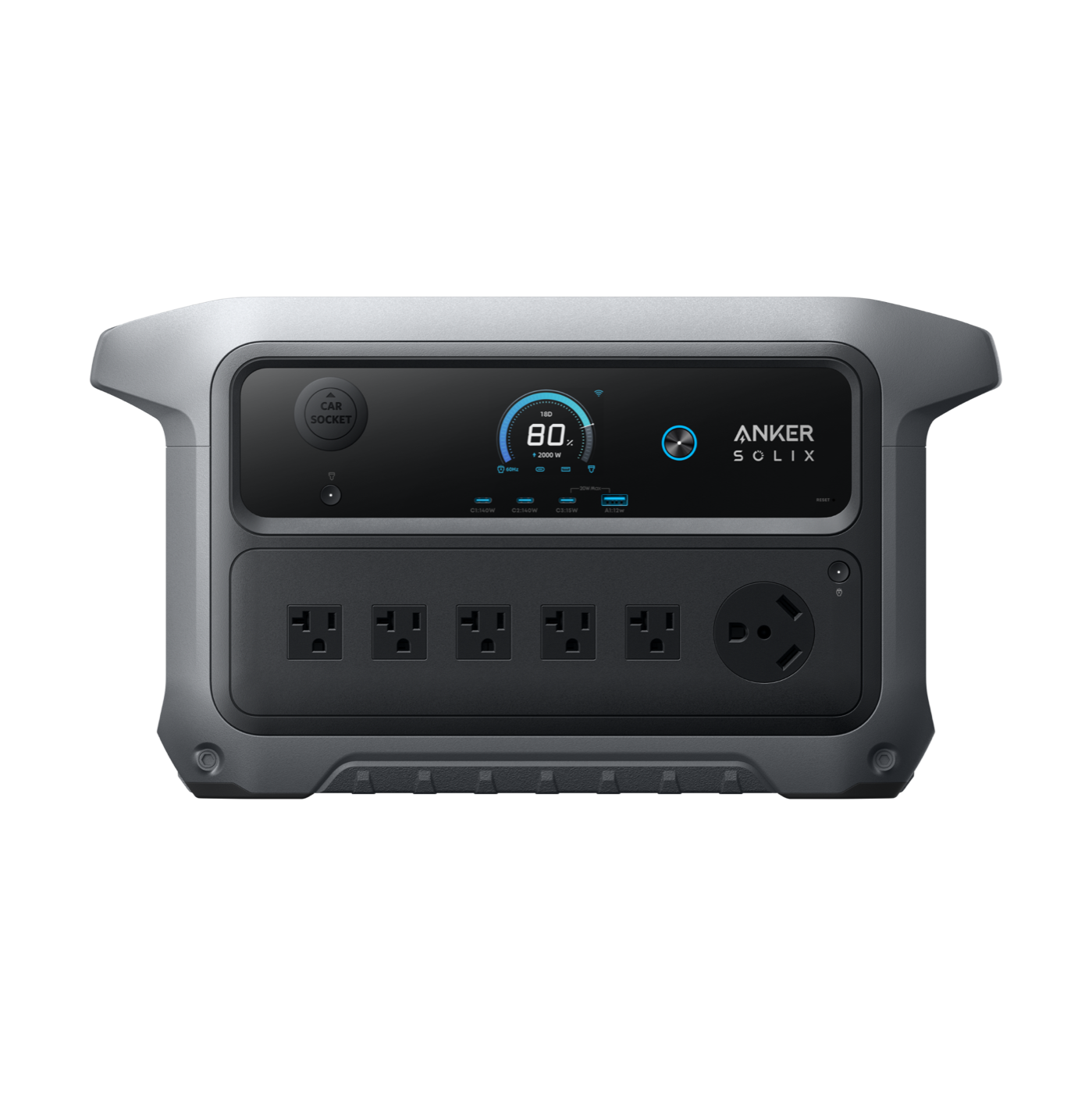
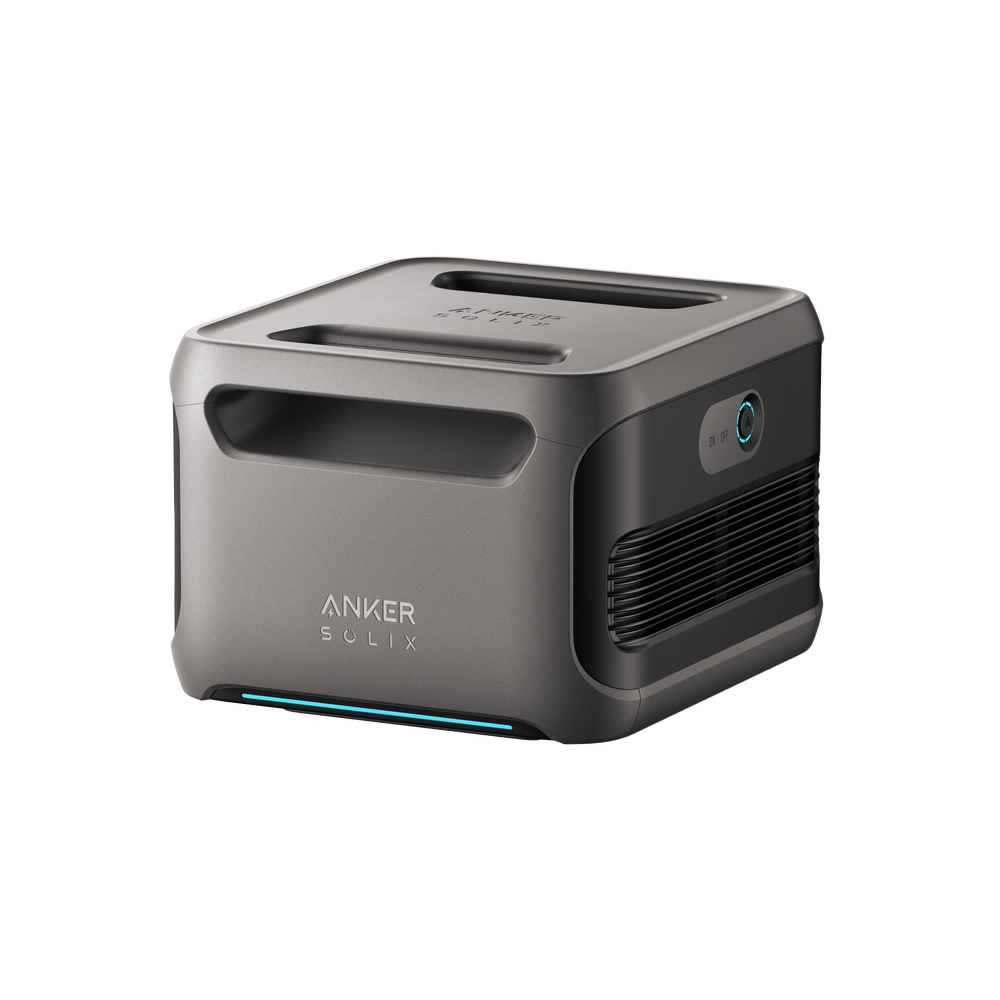
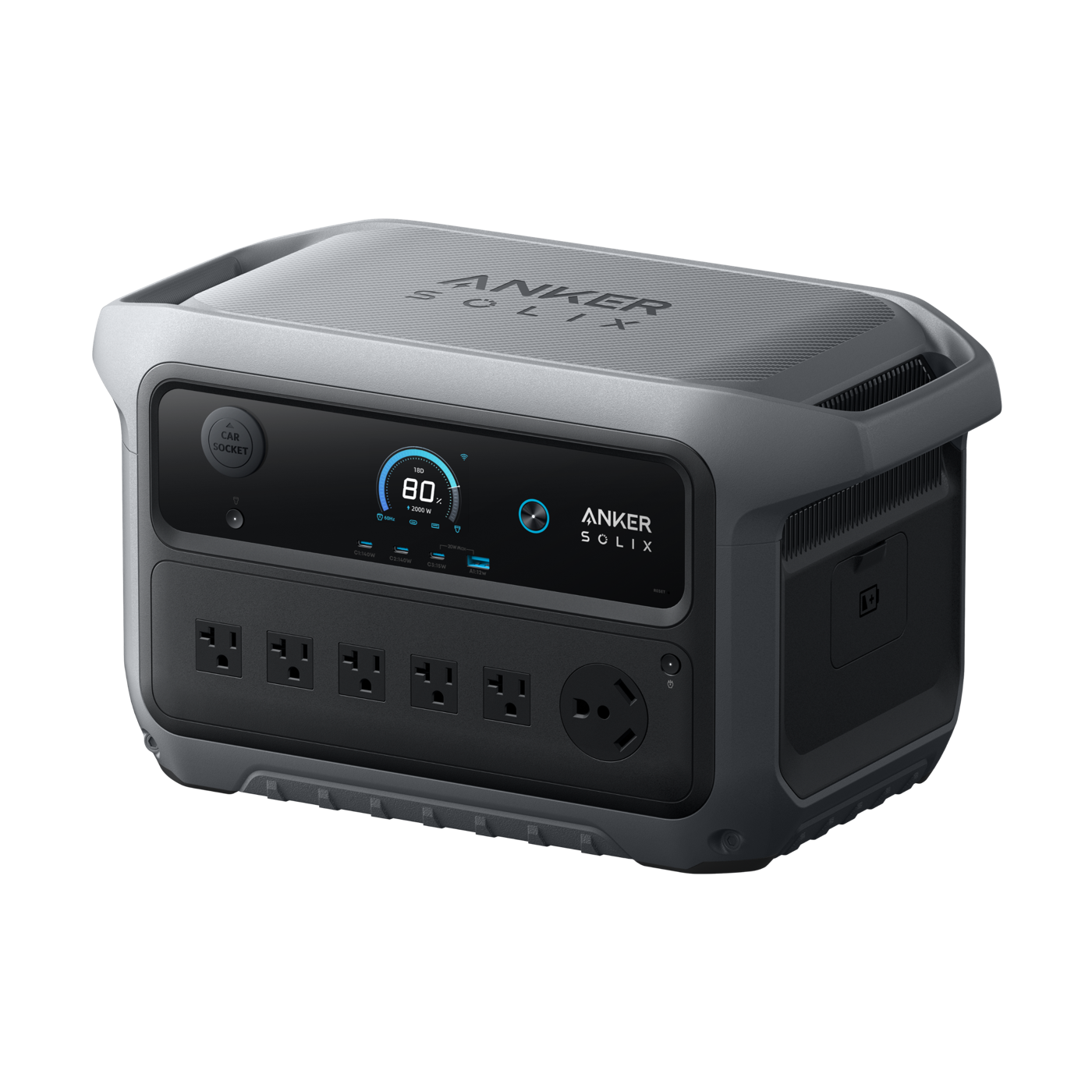
Anker SOLIX C2000 Gen 2

2.05 kWh, 2.4 kW, 41.7 lb. Skip it if a well pump is also on the list.

Energy
2,048 Wh · to 4 kWh
Output
2,400 W · peak 4,000 W
Ports
TT-30 · 10 ms UPS
Solar input
11–60 V · 800 W
Chemistry
LFP
Weight
41.7 lb (Anker)
Price snapshot
$899.99 Halloween sale / $1,199.99 list (checked 26 Oct 2026, sale ends 1 Nov 2026)
If you also want 240 V later

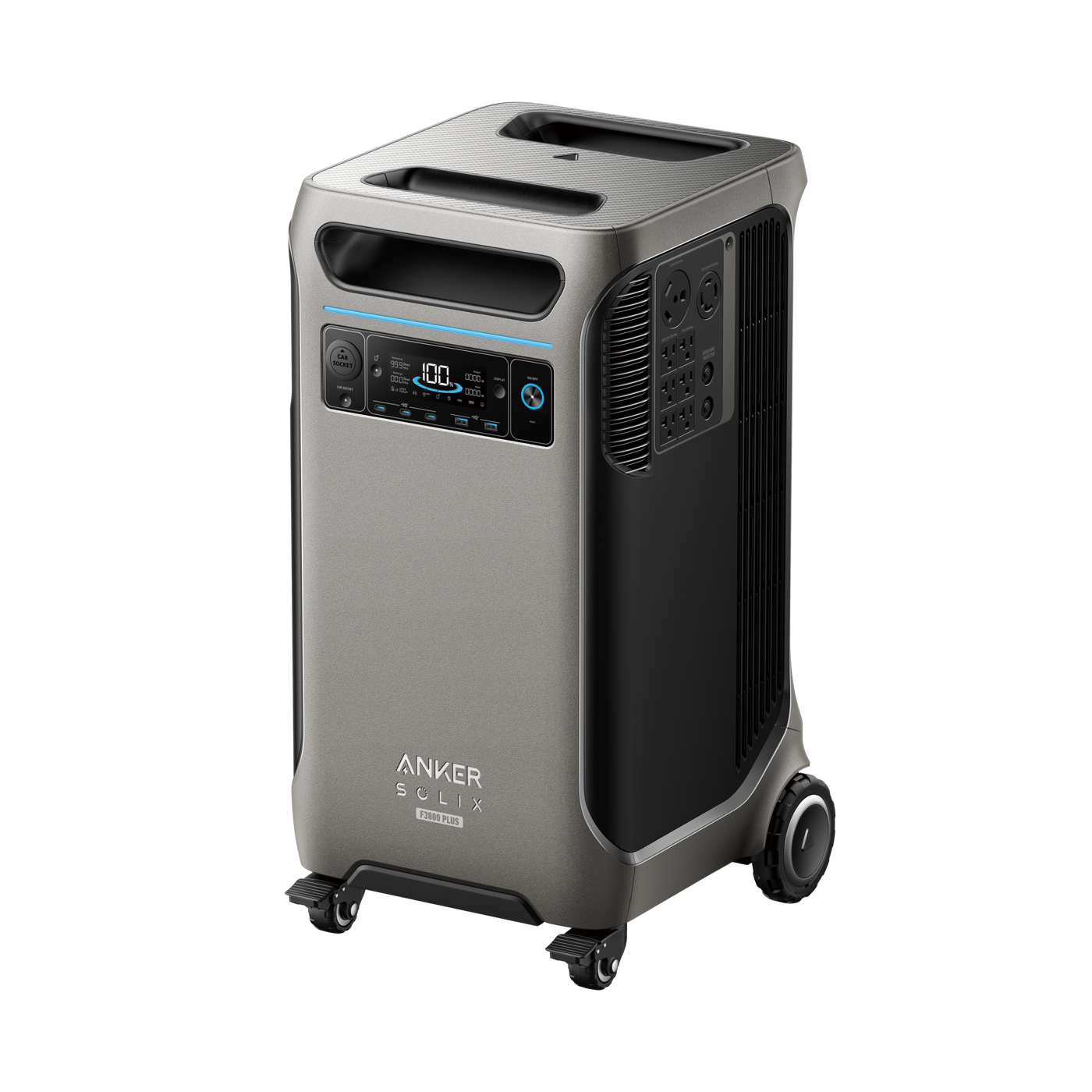
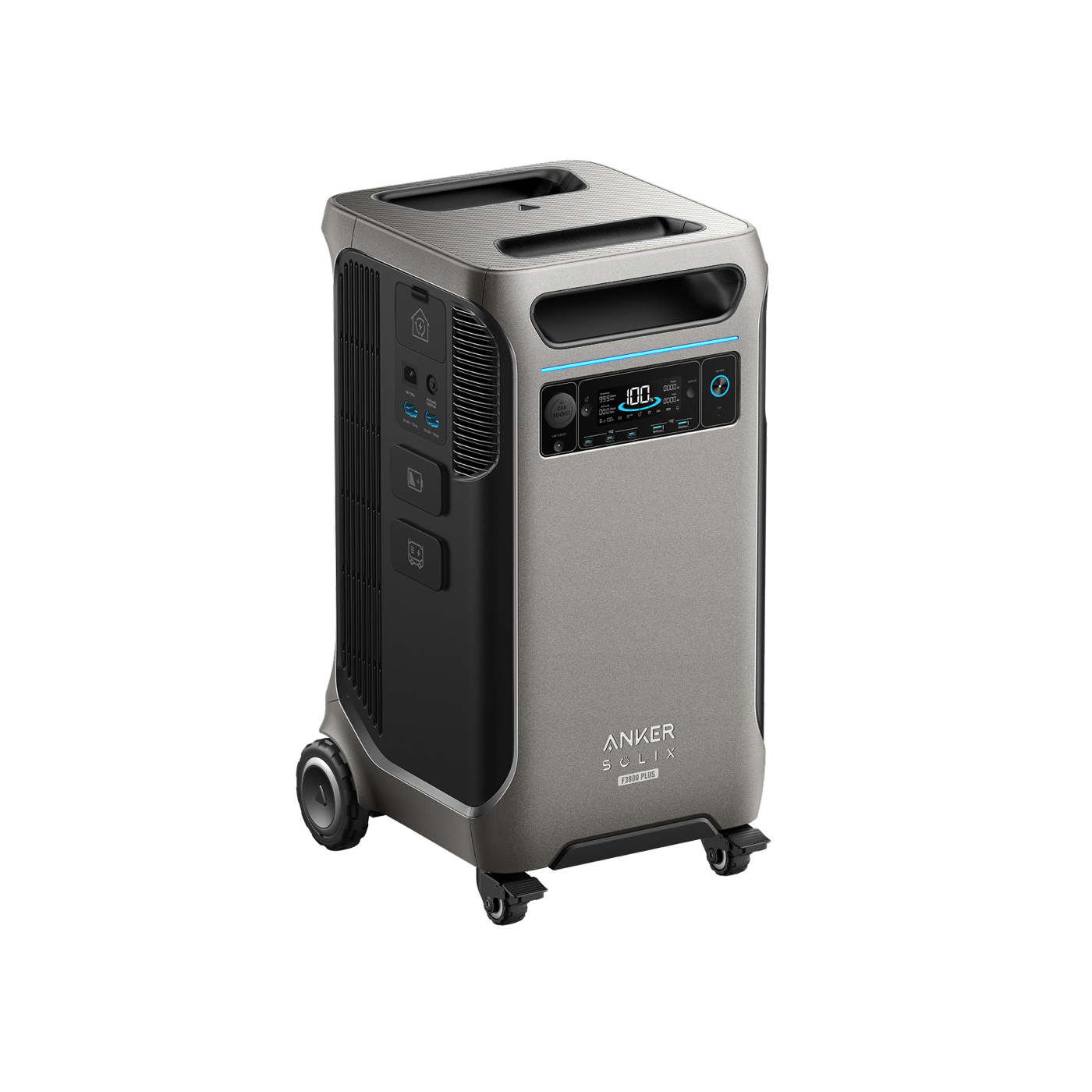
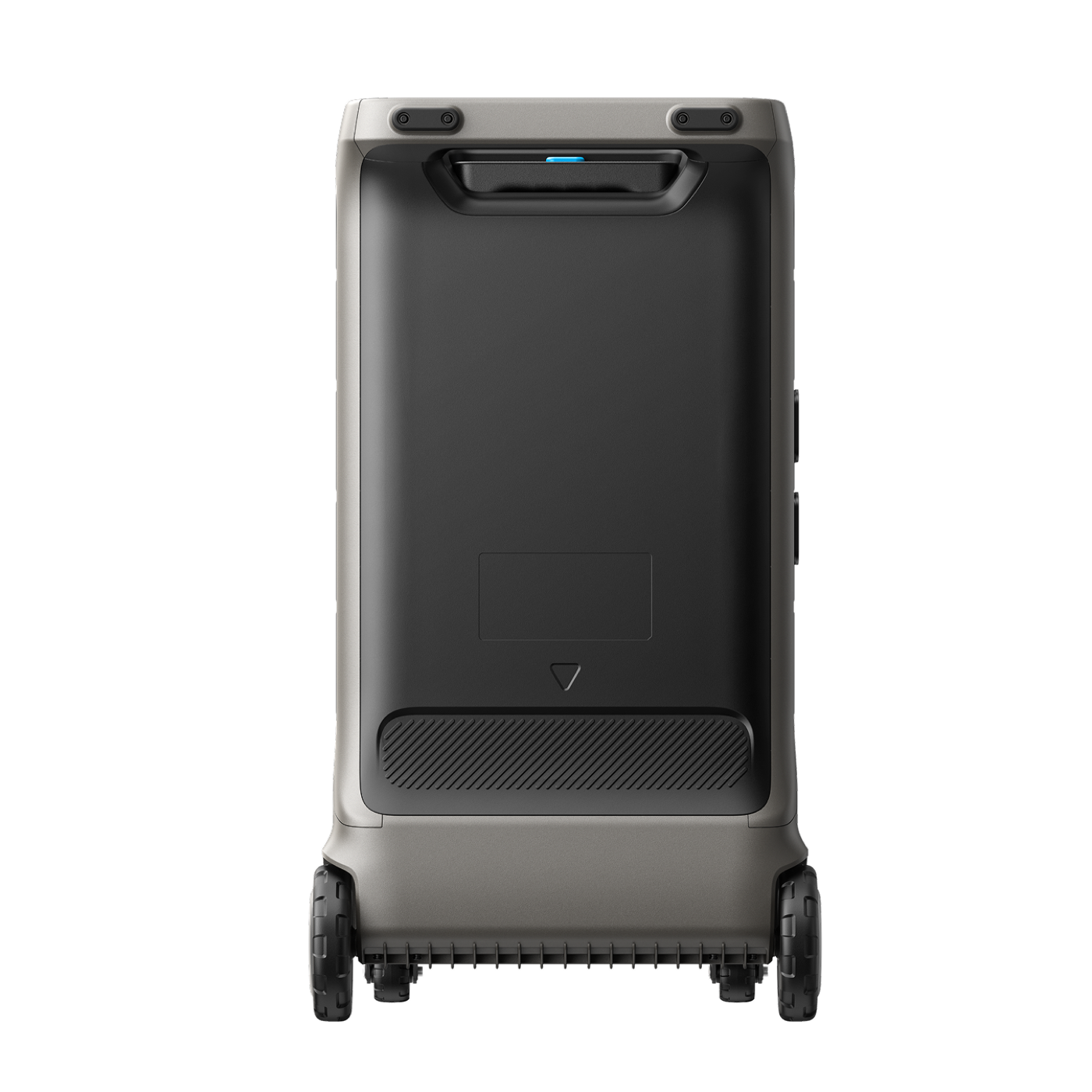
Anker SOLIX F3800 Plus

Overkill on watts for CPAP. The reason to start here is a well, a 240 V tool, or extra batteries in the same family.

Energy
3.84 kWh · add BP3800s
Output
6,000 W · 120/240 V
Bypass
6,000 W generator
Solar input
up to 3,200 W (11–165 V)
Chemistry
LFP
Warranty
5 years (Anker page)
Price snapshot
$2,399.99 Halloween sale / $2,999.99 list (checked 26 Oct 2026, sale ends 1 Nov 2026)

This job does not need 6 kW. DELTA 3 or C2000 Gen 2 covers it; F3800 Plus is the step up if you also want 240 V. Buy the extra battery before you buy a second brand. For a multi-day fuel-vs-battery choice, see generator vs battery vs hybrid.

View DELTA 3 on EcoFlow View C2000 Gen 2 on Anker View F3800 Plus on Anker Find my backup Checklist 2026 rankings Generator vs battery
Find mine Shop-ready